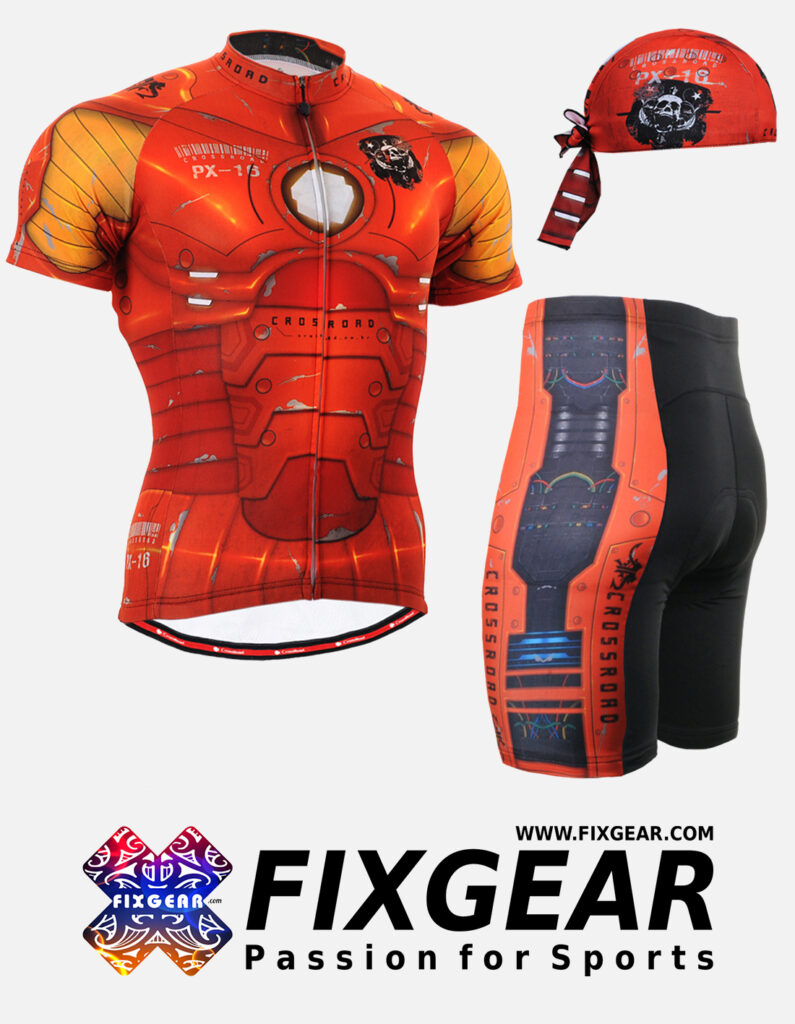
Cycling clothes are often referred to by specific names, reflecting their design and function. Here are some standard terms:
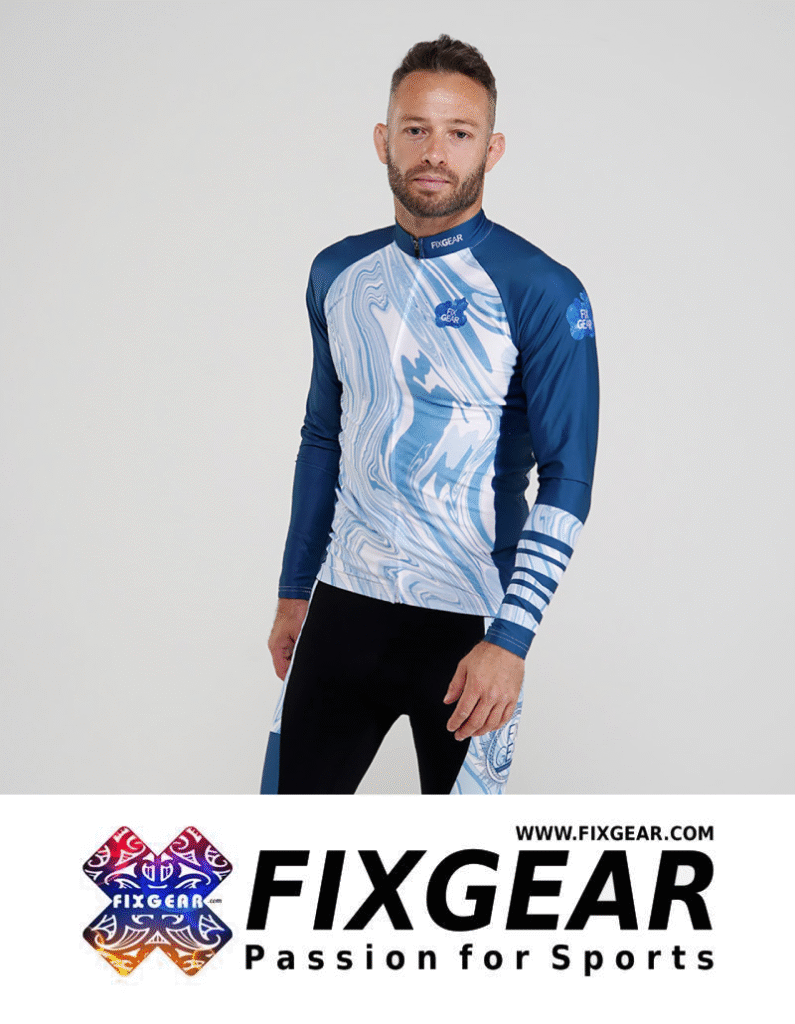
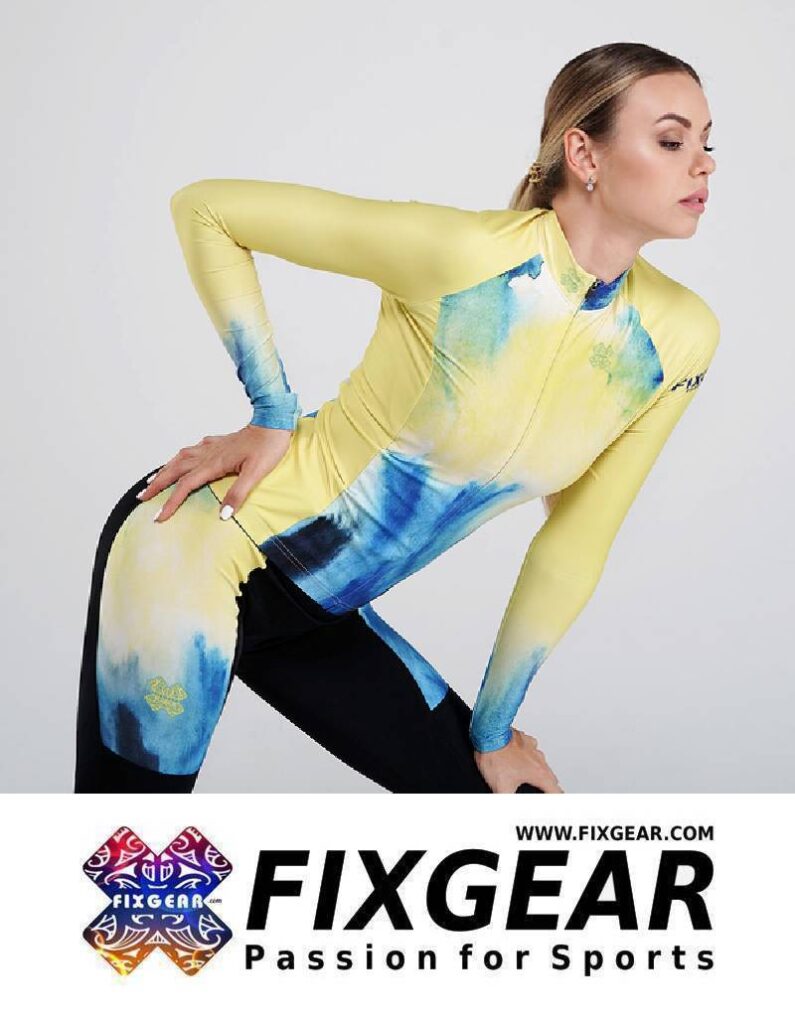
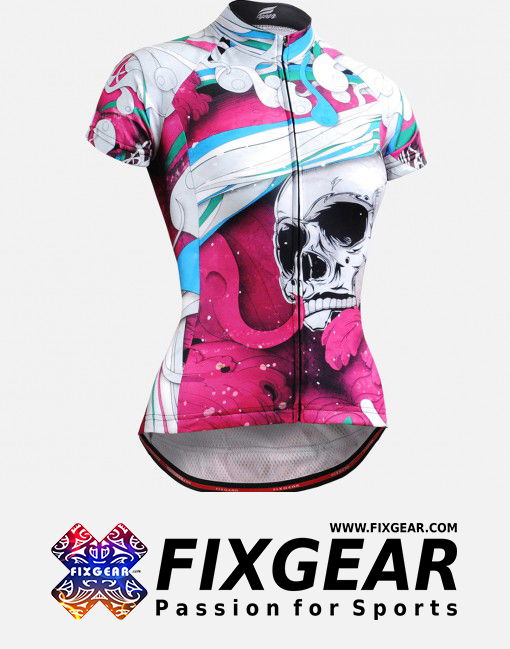
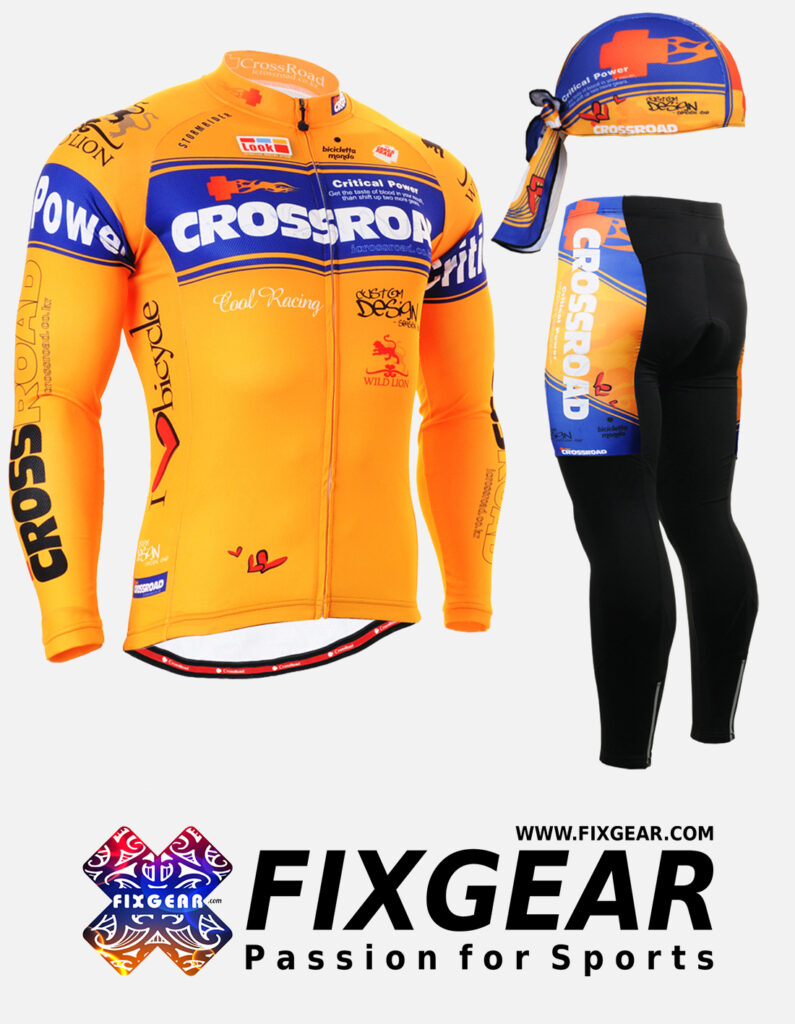
1. Cycling Jersey: A fitted top made from moisture-wicking fabric, typically worn by cyclists for comfort and breathability.
2. Cycling Shorts: Padded shorts, which can be regular or bib shorts, are designed to reduce chafing and provide cushioning during rides.
3. Bib Shorts are cycling shorts with shoulwiths, which provide port and comfort.
4. Base Layer: A moisture-wicking layer worn under cycling clothes to help regulate body temperature.
5. Cycling Jacket: A lightweight outer layer designed to protect against wind and rain.
6. Cycling Gloves: Gloves are designed to provide grip, comfort, and protection for the hands while riding.
7. Cycling Socks: Specialized socks made from breathable materials to keep feet dry and comfortable.
8. Cycling Shoes: Shoes specifically designed for cycling, often featuring a stiff sole and compatibility with clipless pedals.
9. Helmet: While not clothing, a helmet is an essential piece of safety gear for cyclists.
These terms encompass the main types of clothing and gear used in cycling, highlighting their specific purposes.
1 – Why are cycling clothes black?
cycling clothes are often black for several reasons:
1. Heat Absorption: Black fabric absorbs heat, which can be beneficial in cooler weather, helping cyclists stay warm on chilly rides.
2. Stain Resistance: Black cycling clothes hides dirt, grease, and sweat stains better than lighter colours, making it more practical for cycling, where clothes can quickly get dirty.
3. Slimming Effect: Dark colours can create a streamlined appearance, which many cyclists find visually appealing.
4. Versatility: Black is a neutral colour that pairs well with other colours and styles, making it easy to mix and match with different cycling gear.
5. Safety Considerations: While bright colours are often recommended for visibility, black clothing can be a choice for everyday rides. Many cyclists complement black gear with high-visibility accessories or outer layers as needed.
While black cycling clothes is practical, cyclists often balance it with colourful accessories or gear to enhance visibility and style.
2 – What do professional cyclists wear under their shorts?
Professional cyclists typically do not wear anything under their cycling shorts. Instead, they wear padded cycling shorts designed to be worn directly against the skin. Here’s why:
1. Padding: The built-in chamois (padding) in cycling shorts provides cushioning and helps reduce chafing during long rides, which is crucial for comfort.
2. Moisture-Wicking: cycling clothes are made from moisture-wicking materials that help keep the skin dry, which is more effective when worn directly against the skin.
3. Streamlined Fit: Wearing nothing underneath helps maintain a streamlined fit, reducing the risk of any discomfort or bunching that can occur with additional layers.
While some cyclists might choose specific base layers designed for cycling for added comfort, wearing cycling shorts without anything underneath is generally standard practice.
3 – What do female cyclists wear?
Female cyclists typically wear cycling clothes designed for comfort, performance, and style. Here are some everyday items:
1. Cycling Jerseys: These are often fitted and made from moisture-wicking materials to keep the skin dry. Many feature pockets for storing essentials like snacks or tools.
2. Padded Cycling Shorts: Women’s cycling clothes are designed with padding (chamois) to provide comfort and reduce chafing during rides. Options include regular and bib shorts with shoulder straps for added support.
3. Base Layers: A moisture-wicking base layer can be worn under jerseys for comfort and temperature regulation.
4. Cycling Jackets: Lightweight, breathable jackets protect against wind and rain. Many are designed specifically for women, ensuring a good fit.
5. Gloves: Cycling gloves provide grip, comfort, and protection in case of falls.
6. Socks: Look for breathable, moisture-wicking socks that fit well and are designed for cycling.
7. Cycling Shoes: Women’s cycling shoes are available in various styles, including those compatible with clipless pedals for enhanced efficiency.
8. Helmet: A properly fitted helmet is essential for safety.
9. Accessories: Female cyclists may also wear sunglasses for eye protection, and many opt for stylish caps or headbands to manage sweat.
By selecting clothing and gear designed for cycling, female cyclists can enhance their comfort and performance on the bike.
4 – What material is best for cycling clothes?
The best materials for cycling clothes prioritize comfort, breathability, and moisture management. Here are some top fabric choices:
1. Synthetic Fabrics (Polyester, Nylon): These materials are commonly used in cycling clothes because they excel at moisture-wicking, helping to keep you dry by pulling sweat away from your skin.
2. Merino Wool: This natural fibre is breathable and has excellent moisture-wicking properties. It helps regulate body temperature, making it suitable for warm and cool conditions, and it resists odour, which is fantastic for longer rides.
3. Spandex (Lycra): Often blended with other materials, spandex provides stretch and flexibility, allowing for a comfortable fit and freedom of movement.
4. Mesh Panels: Many cycling clothes incorporate mesh panels made from synthetic materials to enhance breathability and airflow, especially in areas prone to overheating.
5. Windproof and Waterproof Fabrics: For outer layers, materials like Gore-Tex or other specialized membranes are ideal for protecting against wind and rain while remaining breathable.
When choosing cycling clothes, look for a combination of these materials to ensure comfort, performance, and durability.
5 – What are cycling pants called?
Cycling pants are commonly referred to as cycling shorts or bibs. Here are the specific terms:
1. Cycling Shorts: These are typically padded shorts designed for comfort during rides. They come in various styles, including regular shorts and those with a tighter fit.
2. Bib Shorts: A type of cycling short that includes shoulder straps for added support and comfort, preventing the waistband from digging into the skin.
3. Tights or Leggings: In cooler weather, cyclists may wear tights or leggings made from stretchy, moisture-wicking materials, which can also have padding for added comfort.
4. Knickerbockers: These cycling pants extend to just below the knee, providing coverage while still allowing for mobility.
Each type serves a specific purpose, catering to different weather conditions and riding styles.
6 – What is bicycle gear called?
Bicycle gears are commonly referred to as gears, but there are specific terms for different components within the gear system:
1. Derailleur: This component moves the chain between gears on the cassette or chainrings, allowing the rider to change gears.
2. Cassette: This cluster of gears (sprockets) located on the rear wheel provides different gear ratios.
3. Chainrings: These are the gears located at the front of the bike, attached to the crankset. They work in conjunction with the cassette to provide various gear options.
4. Crankset: This includes the chainrings and the crank arms, which the rider pedals.
5. Shifters: These controls on the handlebars allow the rider to change gears by shifting the derailleur.
6. Chain: This component connects the front chainrings to the rear cassette, transferring power from the pedals to the wheels.
Each component plays a crucial role in the bicycle’s gearing system, enabling the rider to adjust resistance and speed.
7 – What is a bicycle skirt?
A bicycle skirt is a garment explicitly designed for women who want to ride a bicycle while maintaining a stylish appearance and comfort. Here are some key features:
1. Design: Bicycle skirts are typically longer and may have a flared design to provide freedom of movement while pedalling. They often include functional elements like elastic waistbands or built-in shorts underneath.
2. Material: Many bicycle skirts are made from lightweight, breathable, and moisture-wicking fabrics to enhance comfort during rides.
3. Practicality: Some bicycle skirts feature pockets for convenience and are designed to prevent fabric from getting caught in the bike’s chain or gears.
4. Style: These skirts come in various styles and lengths, allowing cyclists to express their style while riding.
Bicycle skirts are a popular choice for urban cyclists and commuters who want a practical yet fashionable option for riding.
8 – What is a cycling vest called?
A cycling vest is commonly referred to as a cycling gilet. Here are some key features of a cycling gilet:
1. Lightweight: Gilets are typically made from lightweight, breathable materials, making them easy to wear over other layers without adding bulk.
2. Windproof and Water-Resistant: Many cycling gilets are designed to be windproof and water-resistant, protecting the elements while keeping the core warm.
3. Sleeveless Design: The sleeveless design allows for freedom of movement in the arms, which is essential for cycling.
4. Reflective Elements: Many cycling gilets include reflective strips for increased visibility in low-light conditions, enhancing safety for cyclists.
5. Pockets: Some gilets feature pockets for storing small items like snacks, keys, or tools.
Cycling gilets are popular among cyclists for their versatility. They can be worn in various weather conditions and are easy to layer.
9 – What is appropriate clothing for cycling?
Appropriate clothing for cycling is designed to enhance comfort, performance, and safety. Here’s a list of what you should consider wearing:
1. Cycling Jersey: A fitted, moisture-wicking jersey helps keep you dry and comfortable during rides. Look for options with pockets for snacks or tools.
2. Padded Cycling Shorts: These reduce chafing and provide cushioning. You can choose between regular padded and bib shorts with shoulder straps for added support.
3. Base Layer: A moisture-wicking base layer can be worn under your jersey to help regulate body temperature.
4. Cycling Jacket: A lightweight, breathable cycling jacket protects against wind and rain. Look for one that fits well and allows for movement.
5. Gloves: Cycling gloves provide grip, comfort, and protection for your hands, and they can help reduce vibration on longer rides.
6. Socks: Choose breathable, moisture-wicking socks that fit snugly. Specialized cycling socks often provide additional support.
7. Cycling Shoes: Select shoes designed for cycling, especially those with a stiff sole, for better power transfer. If using clipless pedals, ensure they are compatible.
8. Helmet: Always wear a properly fitted helmet for safety.
9. Sunglasses: Wear sunglasses that fit comfortably and provide UV protection to protect your eyes from the sun and debris.
10. Accessories: Consider using a cap or headband to manage sweat and investing in reflective gear or accessories to improve visibility in low-light conditions.
Choosing the proper clothing and gear can enhance your comfort and performance while cycling.
10 – What is a pack of cyclists called?
A pack of cyclists is commonly referred to as a peloton. This term is often used in competitive cycling, especially in races, to describe a group of riders who ride closely together to reduce wind resistance and conserve energy. Here are some additional terms related to groups of cyclists:
1. Bunch: This is another informal term that describes a group of cyclists riding together.
2. Group Ride: This term refers to a planned outing where cyclists ride together, which can vary in size and pace.
3. Drafting: While not a term for a group, it refers to riding closely behind another cyclist to take advantage of reduced wind resistance, commonly done in a peloton.
Understanding these terms helps engage in cycling culture and group rides or races.
11 – Can you cycle in jeans?
Yes, you can cycle in jeans, but there are some essential factors to consider:
1. Comfort: Jeans are typically not designed for cycling so they may restrict movement and cause discomfort, especially on longer rides. Look for jeans with some stretch for better mobility.
2. Breathability: Denim can trap heat and moisture, which may not be ideal for cycling, especially in warm weather. If you choose to wear it, consider lighter-weight denim or jeans made with moisture-wicking materials.
3. Fit: Avoid overly baggy or loose jeans, as they can get caught in the bike chain or wheels. Opt for a more fitted style to reduce the risk of this happening.
4. Padding: Unlike padded cycling shorts, jeans do not provide cushioning, which can lead to discomfort during long rides. If cycling for an extended period, consider wearing padded shorts underneath.
5. Style: Cycling in jeans can be stylish and practical for short commutes or casual rides, but they may not provide the same level of performance as specialized cycling clothing.
In summary, while you can cycle in jeans for short trips or casual rides, it’s generally more comfortable and practical to wear cycling clothes specifically designed for cycling.
12 – What is a cycling skin suit?
A cycling skin suit, also known simply as a skinsuit, is a form-fitting garment designed for competitive cycling. Here are its key features and purposes:
1. Aerodynamic Design: Skin suits are crafted to be tight-fitting to reduce wind resistance, enhancing aerodynamics, which is crucial in racing scenarios.
2. Material: They are typically made from lightweight, stretchy, and moisture-wicking fabrics that help keep the cyclist dry and comfortable while allowing for flexibility and movement.
3. Padded Chamois: Many cycling clothes include a built-in padded chamois to provide cushioning and reduce chafing during long rides.
4. Full Coverage: Skin suits often cover the arms and legs, providing full-body coverage, which can be beneficial for temperature regulation and protection from road debris.
5. Professional Use: Professional cyclists commonly wear skin suits in time trials and track cycling events, where aerodynamics and speed are paramount.
6. Team Branding: They often feature logos and colours, making them a key part of a professional cyclist’s uniform.
cycling clothes are designed for performance, helping cyclists achieve incredible bike speed and efficiency.